

The visible damage from fires, floods, and industrial accidents is only part of the story. What lingers in the air afterward, such as smoke particles, chemical fumes, mold spores, or toxic dust, can continue to affect indoor environments long after the event itself. And because outdoor air becomes indoor air, contaminants from the surrounding environment often infiltrate buildings through ventilation systems, open doors, or structural gaps. Without a clear plan for addressing these hazards, recovery becomes more difficult and re-occupancy less safe.
Understanding how disasters impact indoor air quality is essential for effective preparation and response. From schools and shelters to offices and healthcare facilities, recognizing the potential contaminants that remain in the air allows you to take targeted action such as monitoring conditions, improving filtration, and protecting building occupants during and after a crisis. Whether you are creating a proactive disaster plan or navigating recovery, addressing IAQ is a critical part of restoring health and safety.
Wildfires
In the wake of increasingly destructive wildfire seasons, the concern doesn’t stop at flames or smoke-filled skies. When fires burn through businesses, homes, vehicles, and urban areas, as seen in California’s 2025 wildfires, residents are often left dealing with more than scorched earth. Toxic residues from burned plastics, electronics, treated wood, and household chemicals can linger in the air and settle on surfaces long after the fire is out. These substances, including heavy metals and carcinogenic compounds like dioxins and PAHs, contribute to a persistent indoor air quality hazard during recovery.
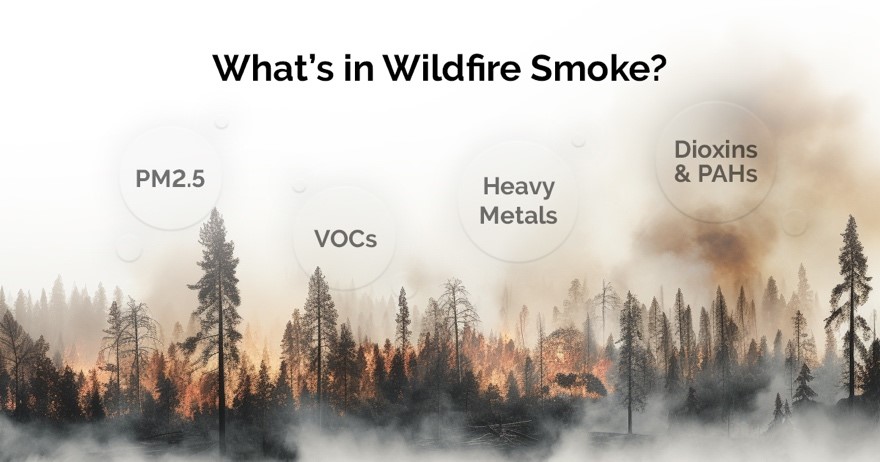
Airborne threats: Fine particulate matter (PM2.5), smoke residue, VOCs, synthetic chemicals from burned household materials
Lingering effects: Weeks to months, especially in buildings with inadequate filtration or ventilation. The health threat doesn’t end when the smoke clears. In fires that reach homes, commercial structures, or vehicles, burning plastics, treated wood, electronics, and household chemicals can release a complex mix of pollutants into the air. These include heavy metals, dioxins, polycyclic aromatic hydrocarbons (PAHs), and other persistent toxins that settle as dust or infiltrate HVAC systems.
Even after containment, materials like melted roofing, scorched appliances, and fire-retardant-soaked insulation can continue to off-gas or contribute to toxic dust that accumulates indoors. Post-fire cleanup may also stir up harmful particles, increasing exposure risk for residents, cleanup crews, and returning employees.
What’s needed:
- High-efficiency particulate filtration to capture fine and ultrafine particles
- Adsorptive filtration, like active carbon, to reduce airborne chemical byproducts and VOCs
- Ongoing air quality monitoring to detect harmful levels of PM or chemical pollutants
- Automated purification and ventilation responses tailored to real-time air data
- Zone-based air cleaning strategies that can address highly impacted rooms without overwhelming HVAC systems
Floods
Floodwaters carry more than just visible damage. Within 24 to 48 hours, excess moisture creates the perfect conditions for mold growth, while standing water can introduce sewage, bacteria, and chemical runoff into indoor environments. In April 2025, the central United States experienced severe flooding due to heavy rainfall, with areas like Memphis, Tennessee, and Little Rock, Arkansas, receiving over 16 inches of rain. The prolonged presence of standing water created widespread contamination and led to significant moisture intrusion in homes and public buildings. As materials dried and were disturbed during cleanup, microplastics and other fine debris became airborne, posing respiratory risks to residents, workers, and first responders. These often-overlooked particles can remain suspended indoors long after visible cleanup is complete, highlighting the need for focused air quality strategies during recovery.

Airborne threats: Mold spores, bacteria, VOCs from wet materials, microplastics
Lingering effects: Mold growth can begin within 48 hours and persist for weeks. Microplastics may remain suspended in dust and debris long after cleanup
What’s needed:
- Humidity control and detection to reduce conditions that promote mold growth
- Filtration capable of trapping biological particles and ultrafine debris, including microplastics, like H13 True HEPA filters
- Targeted purification in affected zones, especially during renovation or cleanup
Hurricane and Storm Damage
Storms can leave buildings with structural damage, soaked interiors, and widespread material degradation. After Hurricane Milton made landfall in Florida in October 2024, residents returned to find extensive water damage in their homes and businesses. The state’s hot and humid climate created ideal conditions for mold, which can begin to grow within 24 to 48 hours of moisture exposure. Mold poses serious health risks, particularly for people with respiratory issues, allergies, asthma, or weakened immune systems—often leading to respiratory symptoms, infections, or asthma attacks.
Even in less visibly damaged buildings, the combination of moisture, mold-prone materials, and stagnant air can result in poor indoor air quality. As structures dry out and cleanup begins, dust from crumbling drywall, disintegrated insulation, and damaged furnishings can release microplastics and other particulate matter into the air, prolonging exposure and complicating recovery efforts.
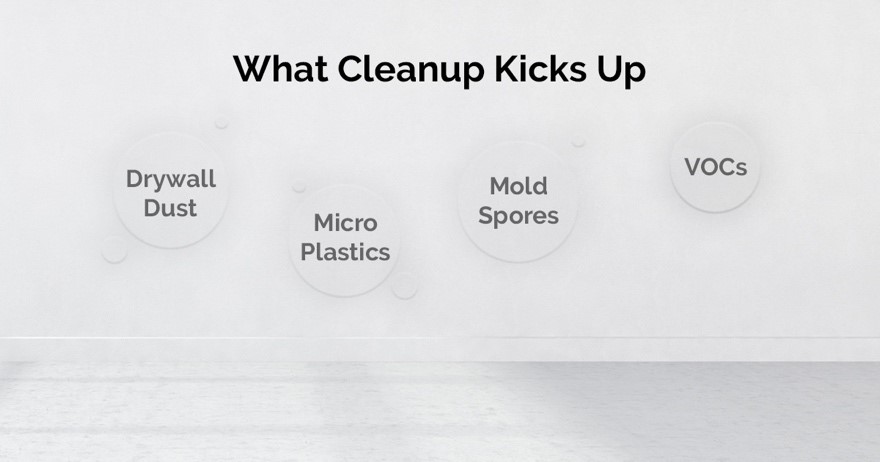
Airborne threats: Microbial contamination, dust from building damage, microplastics from disintegrated materials, off-gassing from soaked furnishings
Lingering effects: Weeks to months, depending on cleanup timelines and HVAC function
What’s needed:
- Airflow management strategies to contain and extract contaminated air
- Temporary air purification zones in shelters or partially restored facilities
- Centralized IAQ visibility to guide safe occupancy decisions in multi-room or multi-building scenarios
- Support for HVAC systems with supplemental filtration during restoration
Industrial Accidents
When industrial accidents occur, the greatest health risks aren’t always visible damage; they’re often in the air. Fires and explosions can release dangerous airborne contaminants that infiltrate nearby buildings and remain suspended indoors long after the flames are out. One of the clearest examples of this occurred in April 2023, when a massive fire broke out at a plastics recycling facility in Richmond, Indiana. The blaze prompted the evacuation of more than 2,000 residents and burned for several days, sending a thick black plume of smoke across the region.
State officials confirmed the smoke contained a mix of toxic chemicals, including benzene, lead, and asbestos fibers, all known to have serious respiratory and neurological effects. Even after the fire was extinguished, particles settled on surrounding homes, schools, and businesses, raising long-term concerns about re-occupancy and indoor exposure. Without proper filtration or remediation, these contaminants can persist in HVAC systems, carpets, and surfaces, continuing to impact air quality for weeks or even months after the event.

Airborne threats: Smoke, microplastics, VOCs, asbestos, lead, and other toxic combustion byproducts
Lingering effects: Persistent contamination in indoor air and dust. Risks remain elevated without proper ventilation, filtration, and surface cleaning
What’s needed:
- HEPA filtration to capture fine particulates like smoke and asbestos fibers
- Air quality monitoring to assess safety before re-occupancy
- HVAC-integrated purification systems to manage airflow and prevent the spread of pollutants
Why IAQ Strategies Matter for Long-Term Recovery
While disaster relief often prioritizes water, power, and shelter, air remains one of the most immediate and ongoing health risks. Returning people to compromised air can lead to respiratory issues, fatigue, or worsened outcomes for vulnerable populations.
That’s why many disaster response teams and facility managers now incorporate:
- Environmental sensors to detect airborne threats
Real-time data helps identify when air quality drops due to lingering pollutants like VOCs or particulate matter, allowing facilities to act quickly.
- Localized purification where HVAC alone isn’t sufficient
Central HVAC systems often lack the filtration capability needed to handle fine particulates, VOCs, or chemical byproducts released during disasters. Supplemental purification units equipped with activated carbon filters and HEPA-grade filtration can address these localized risks, especially in high-occupancy zones or areas near the contamination source.
- Integration with building controls to automate smart air responses
When air quality sensors are connected to building management systems (BMS), facilities can automate responses such as decreasing ventilation, activating supplemental purification, or isolating affected areas. These smart responses ensure air quality is managed dynamically by adjusting airflow and filtration based on occupancy, contaminant levels, or time of day without requiring constant manual intervention.
- Remote dashboards to manage multiple zones or locations from one place
A centralized interface gives building teams the ability to monitor IAQ conditions across various rooms or properties, quickly identifying where support is needed and streamlining response protocols.
- Proper filtration to manage airborne risks during cleanup and reentry
Post-disaster cleanup can disturb settled particles and release new ones, including mold spores, lead dust, or chemical residues from cleaning agents. High-efficiency filters, including True HEPA, help capture these particles, while carbon filters can reduce VOCs and harsh chemical fumes that may be reintroduced during remediation work.
These solutions aren’t just about comfort. They’re about safety, resilience, and the confidence to return.
Creating Healthier Spaces Before and After Crisis
Whether you’re managing an emergency shelter, reopening a school, or restoring an office, post-disaster IAQ deserves as much attention as structural integrity or water safety. Clean, safe air helps people recover faster, work better, and feel secure.
As you’re planning for disaster resilience, a professional air quality assessment is a critical first step. Fellowes offers complimentary indoor air quality assessments to help you identify which actions to take next. That might include deploying localized purification, upgrading filters, or integrating smart controls with your building systems. It’s a practical way to make the invisible visible and restore peace of mind through informed decision-making.


0 Comments